
Last updated October 15, 2026
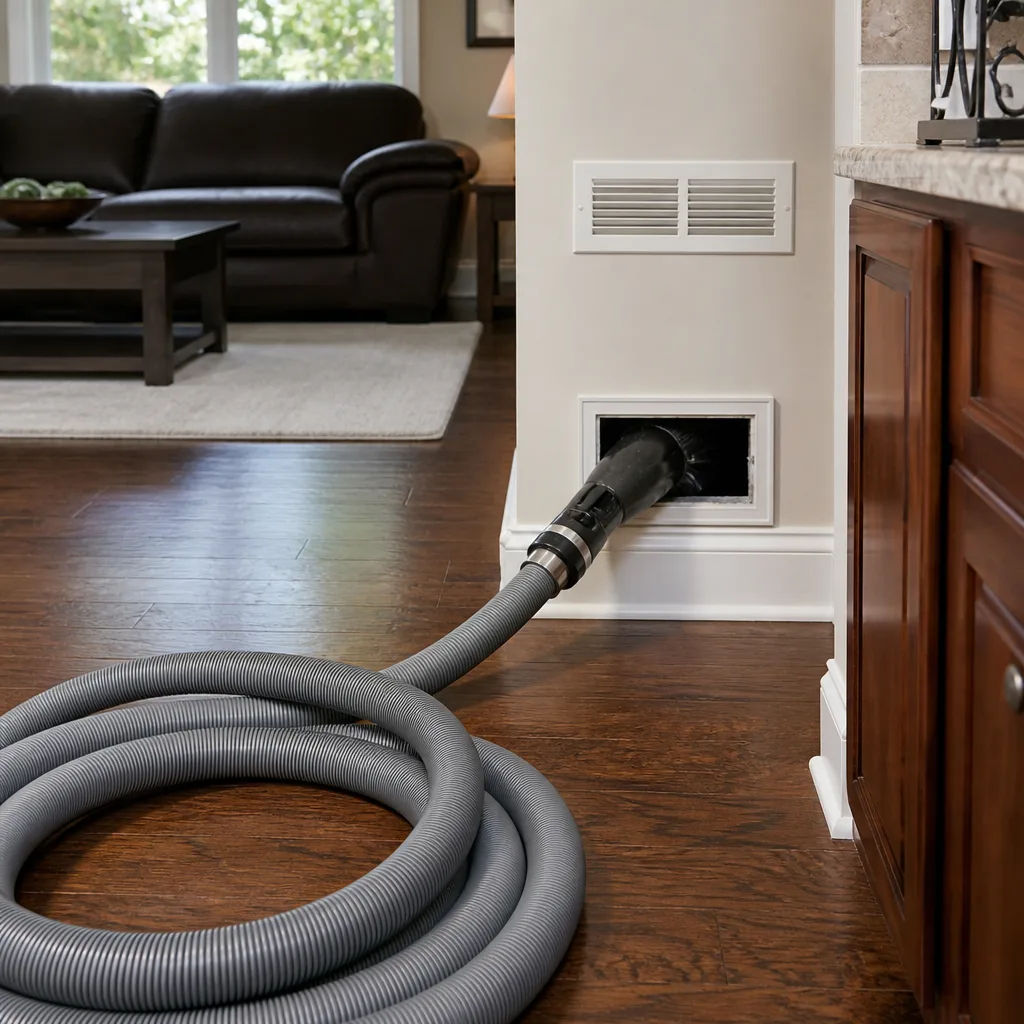 Whole-home duct cleaning
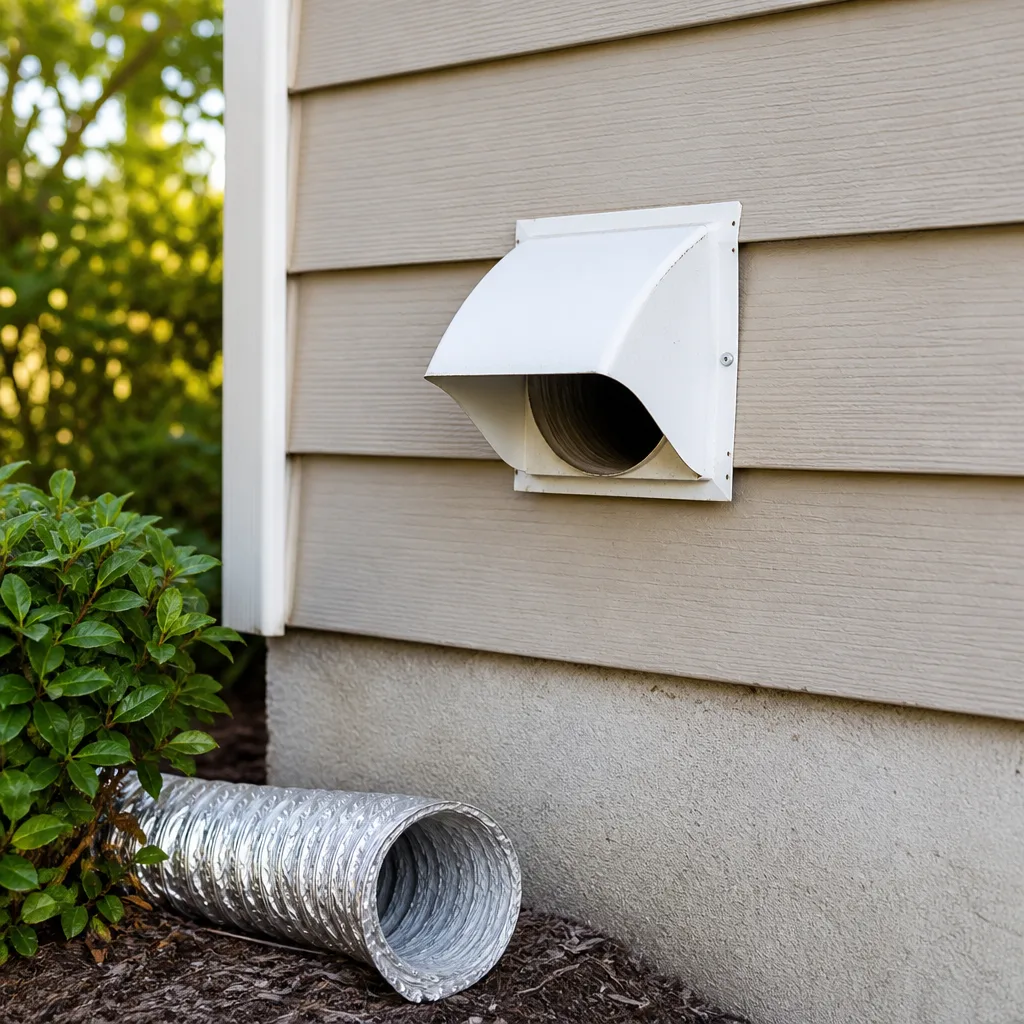 Dryer vent cleaning
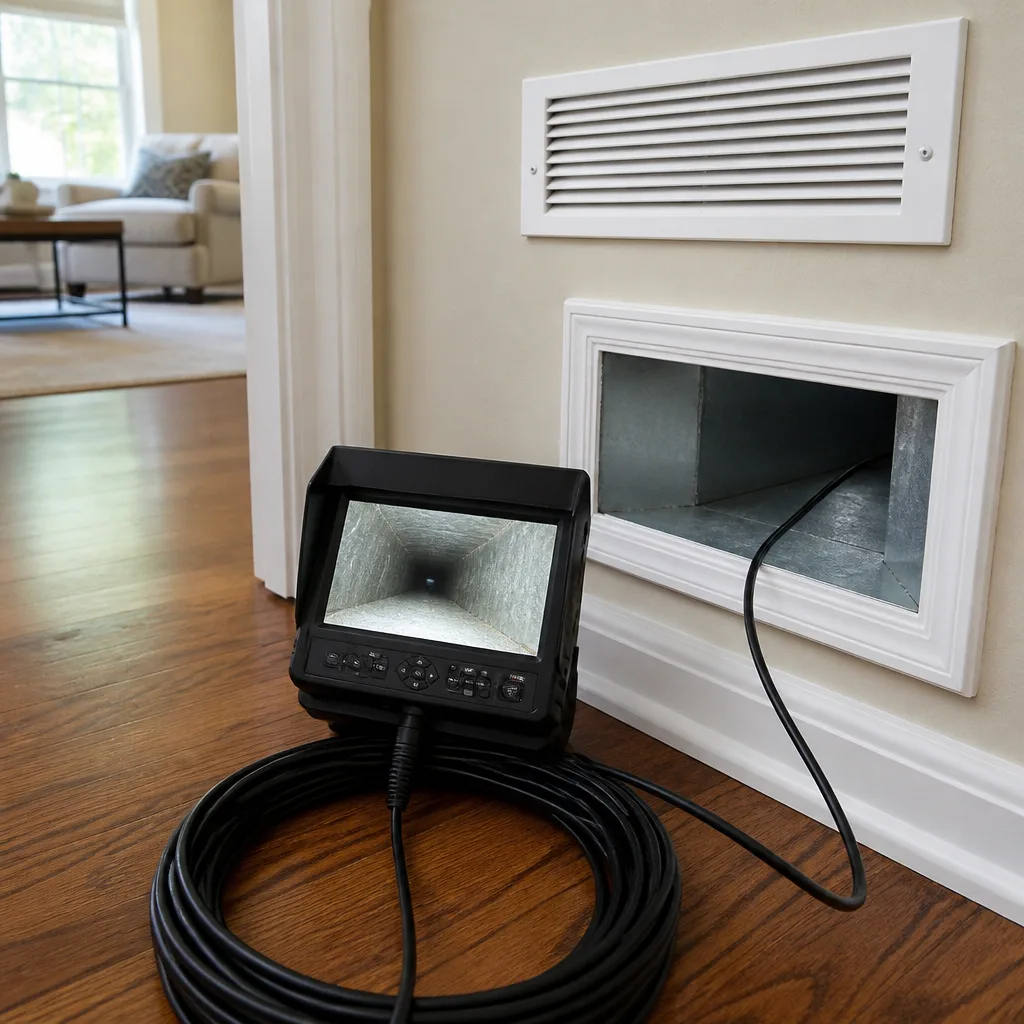 Camera inspection
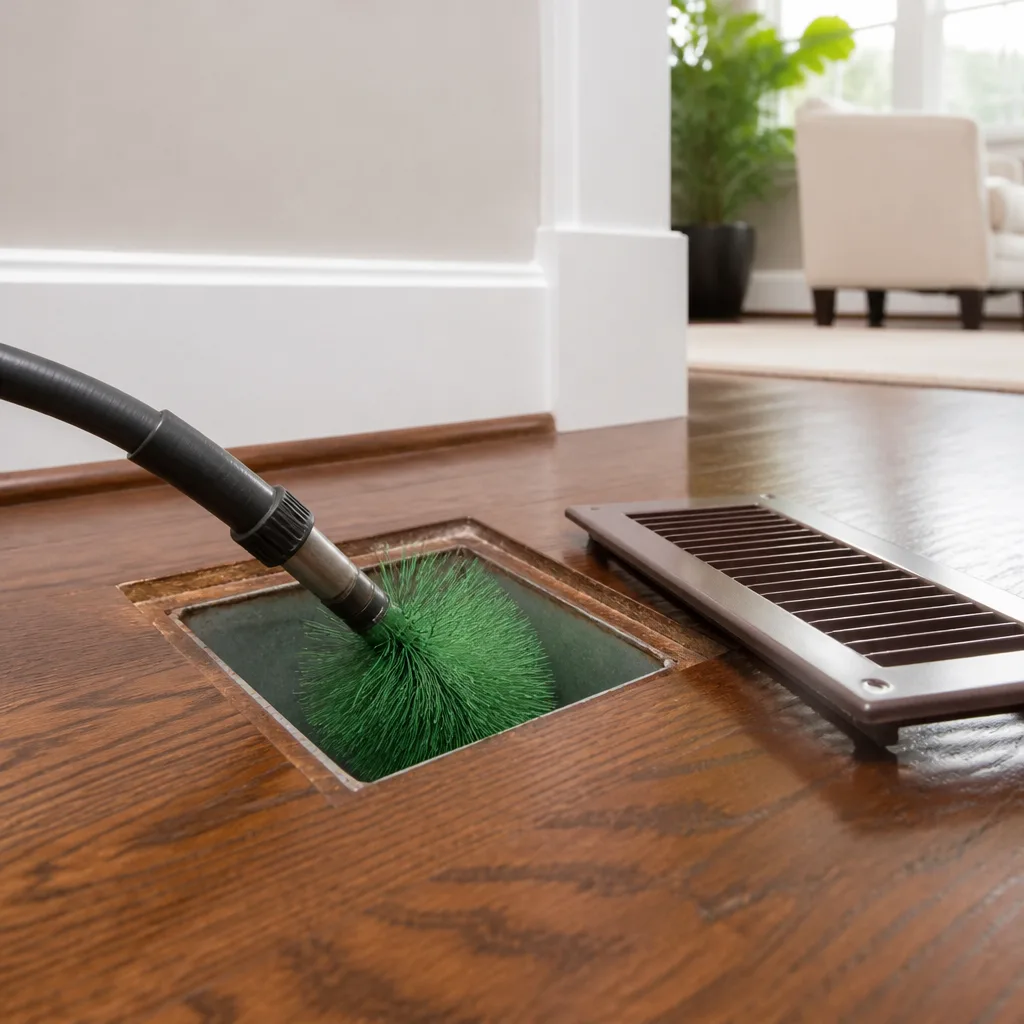 Sanitizing & deodorizing
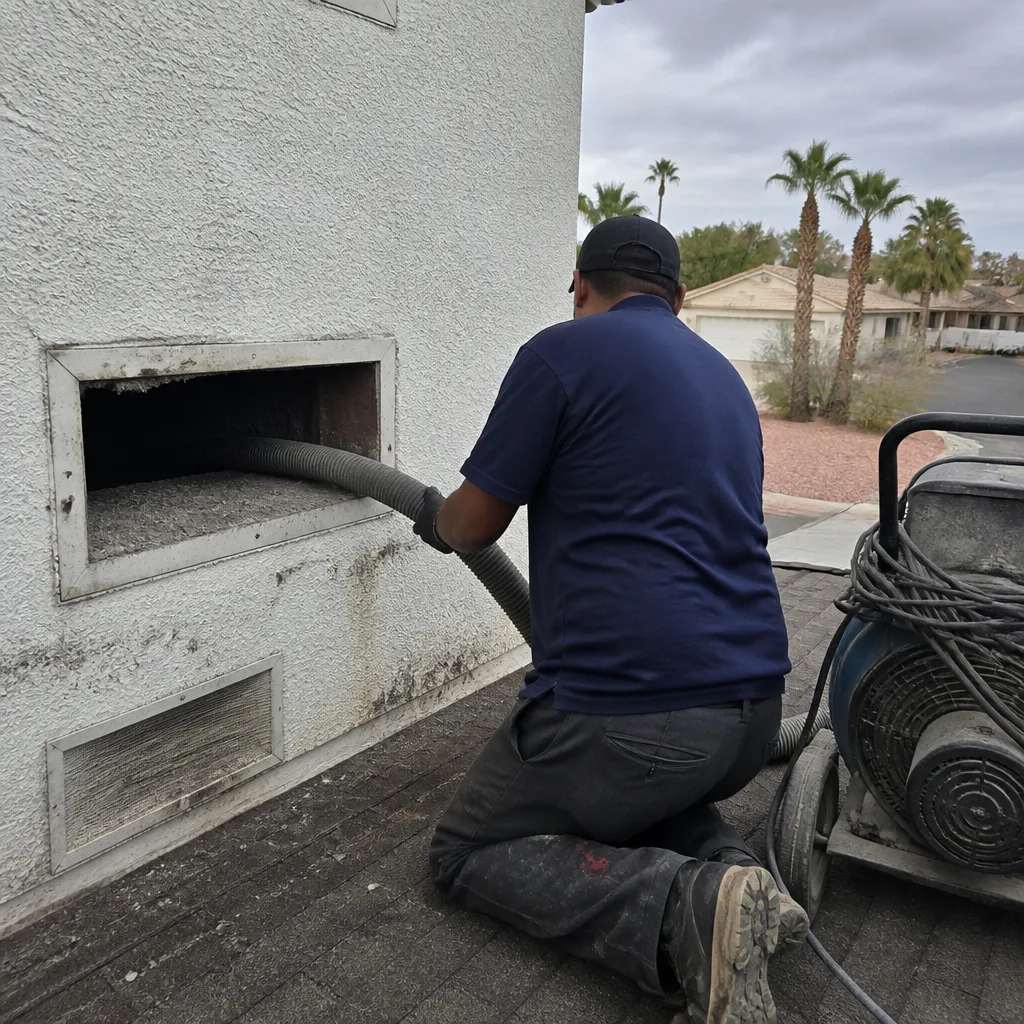
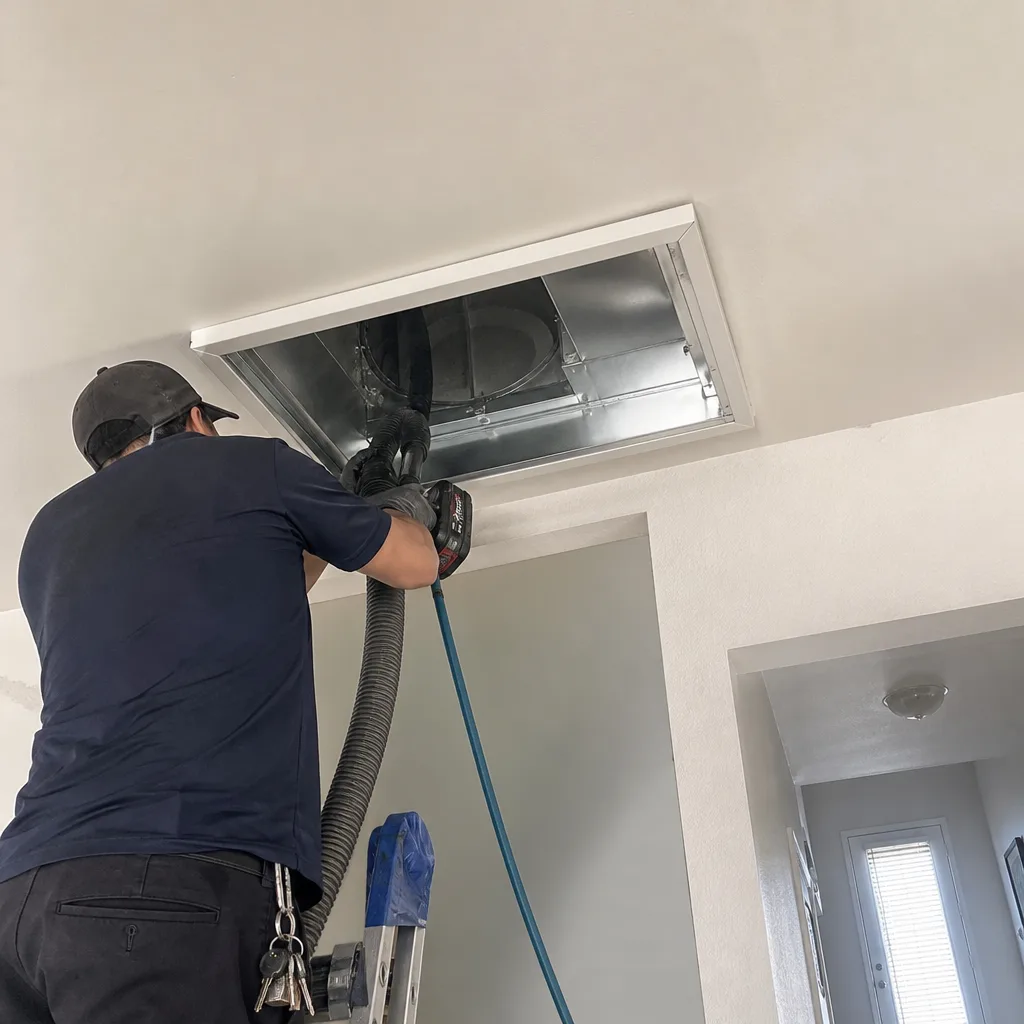
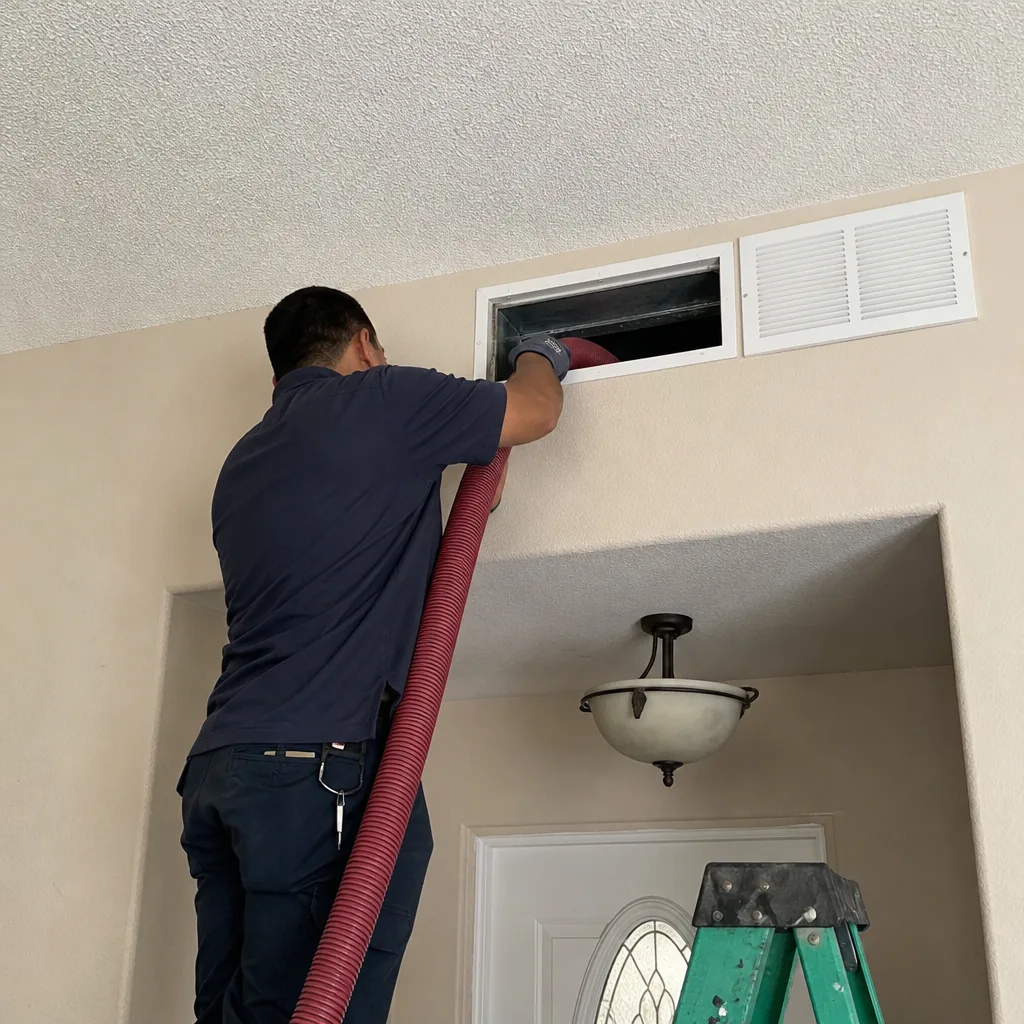
Whole-system duct and dryer vent check with before-and-after photos - you see exactly what came out of your vents
That "$99 whole-house special" is a bait ad - the real number appears once they are in your hallway, or the "clean" is a shop-vac at the register. We photograph the inside of your ducts before and after instead.
Seasonal Air Duct Cleaning Care for Las Vegas: Year-Round Homeowner’s Guide
Most Las Vegas homeowners who schedule a duct cleaning in January are doing it at the lowest-impact time of year. The dust season that runs October through December has already packed debris into the duct trunk, and the furnace has been circulating that grit through the house for weeks. A March cleaning, timed before the cooling season fires up, delivers measurably better air quality per dollar. This guide maps duct care to the Valley’s actual climate calendar, so you know exactly when to clean, what to do after a dust storm, and how to stretch every service dollar further. Explore our more guides & resources for year-round HVAC care.
Styles & brands we work with
Quick Answer
The best time to schedule Air Duct Cleaning in Las Vegas is late March or early April, just before the air conditioner begins running daily. This timing removes winter dust accumulation before summer’s sealed-house recirculation begins, giving you the longest clean-air window per service dollar. A secondary window in late September, after monsoon season but before fall winds arrive, works well for homes with allergy sufferers.
Table of Contents
- The Real Las Vegas Climate Calendar: What Actually Happens to Your Ducts
- The Two Dust Seasons: Spring Haboobs and Fall Wind Events
- Why Late March and Early April Is the Highest-Value Cleaning Window
- The 72 Hours After a Major Dust Storm: What to Do Before Your Cleaning
- Summer Heat and Your Ducts: What 130°F Plenum Temperatures Do to Trapped Dust
- Month-by-Month Owner Action Table
- The Filter Replacement Schedule That Actually Works in the Mojave
- What Air Duct Cleaning Costs in Las Vegas
- Common Mistakes to Avoid
- When to Call a Professional
- Frequently Asked Questions
- The Bottom Line
The Real Las Vegas Climate Calendar: What Actually Happens to Your Ducts
Las Vegas doesn’t have four seasons. It has a long heat siege from May through September, a short mild window in October and November, a brief cold stretch in December and January, and a windy transition from February through April. Each of these phases affects your ductwork differently, and a cleaning schedule built around New England’s fall and spring rhythm simply doesn’t apply here.
The Mojave Desert produces an average of 4.2 inches of rain per year, but that scarcity is the problem, not the blessing. Dry soil turns to airborne silt. The Las Vegas Valley’s location between mountain ranges funnels wind through the basin, picking up fine particulate from the dry lake beds to the northeast and construction sites throughout the metro. That particulate enters your home through the HVAC system’s return air, settles in the duct trunk, and waits.
Here’s what we’ve seen in more than two decades of cleaning ducts across the Valley:
- Summer (June – September): The AC runs 18 – 22 hours daily. Windows stay closed. Anything already in the ducts recirculates through the living space continuously. Contaminants get ground into carpet fibers and upholstery.
- Fall wind season (October – December): North winds kick up fine dust that penetrates window seals, door sweeps, and attic vents. The furnace cycles on for the first time, pulling loose particulate directly into the return ducts.
- Winter (January – February): Relatively calm. The furnace runs intermittently. Dust that settled during fall has compacted in the duct trunk and on the coil.
- Spring haboob season (March – May): Thunderstorm outflow winds generate dense dust walls that can reduce visibility to near zero. These events inject significant amounts of fine silt and sand into homes and duct systems.
The takeaway: your ducts accumulate material in three distinct surges each year, and the worst one is the fall wind season, not spring. Most homeowners have that backwards.
The Two Dust Seasons: Spring Haboobs and Fall Wind Events
Las Vegas experiences two distinct dust event types, and they deposit different debris into your ductwork. Understanding the difference helps you know what a technician should be finding during a cleaning.
Spring Haboob Season (March – May)
Haboobs form when thunderstorm downdrafts hit dry desert soil, creating a dense wall of dust that can travel hundreds of miles. Las Vegas sees these most frequently from March through May, as the first monsoonal moisture moves north from Mexico. The dust carried by haboobs is coarse: sand particles, silt, and larger organic debris. This material tends to settle in the first few feet of the return duct and on the blower fan blades, where it creates an abrasive paste when combined with normal household humidity.
After a significant haboob, you’ll often see dust coating horizontal surfaces inside the house within hours. That same dust is entering your return registers. A haboob that drops visible dust on your furniture has almost certainly introduced measurable particulate into your ducts.
Fall Wind Season (October – December)
The fall wind season is different. These winds come from the north and northeast, driven by high-pressure systems over the Great Basin. They carry finer material: clay particles, dried lake-bed silt, and the microscopic remains of plants that died during summer. This dust is smaller than 10 microns, which means it stays suspended longer, travels farther, and penetrates deeper into your home’s envelope. It also penetrates deeper into the duct system, settling in the trunk line, on the evaporator coil, and in the plenum.
Fall dust is the material that causes the most odor problems, because it tends to be heavier in organic content. When summer heat hits that fine organic layer in July, homeowners notice a musty, “old attic” smell coming from the registers. It’s not mold in most cases. It’s desiccated organic dust heating up.
Air duct cleaning in Las Vegas should account for both dust types, and a technician who knows the Valley will expect different debris depending on the season of the last cleaning.
Why Late March and Early April Is the Highest-Value Cleaning Window
Here’s the counterintuitive part. Most homeowners schedule duct cleaning in January, right after the holidays, when they’re thinking about air quality and spring cleaning. But January is the lowest-impact time to clean in Las Vegas.
Here’s why:
- The fall wind season has just ended. October through December deposits the most fine particulate into your ducts. If you clean in early January, you’re removing that accumulation, which is good. But then the furnace continues running for another two months, pulling in whatever residual dust remains in the attic, behind walls, and in the living space.
- Spring haboob season is coming. March through May brings the year’s second dust surge. Clean in January, and by May your ducts have accumulated another layer of spring material.
- The AC ramp-up is the real event. When the Las Vegas cooling season begins in earnest, typically by mid-April, the system shifts from intermittent furnace use to daily 18-hour AC runtime. If your ducts are clean at the moment that ramp-up begins, you get months of clean operation. If they’re dirty, you get months of continuous recirculation of whatever accumulated over winter and spring.
Cleaning in late March or early April removes the full fall deposit, gives you the cleanest possible system just as the house seals up for summer, and positions you well before the spring dust events have done their worst. The clean-air window from an April cleaning runs through September, because monsoon season in Las Vegas is relatively light compared to Phoenix or Tucson. That’s six months of maximum benefit per service dollar.
The secondary window is late September, after monsoon remnants have passed but before the fall winds begin. This timing works for households where one member has strong dust allergies, because it removes summer accumulation before the furnace begins recirculating indoor air.
The 72 Hours After a Major Dust Storm: What to Do Before Your Cleaning
When a haboob rolls through Las Vegas, it’s tempting to call immediately and demand the first available cleaning slot. But there are steps you should take in the first 72 hours that will make your eventual cleaning more effective and protect your system in the meantime.
Here’s the sequence we recommend:
- Hour 0 – 6: Change your HVAC filter. The filter has just done significant work. A haboob can load a standard 1-inch filter to capacity in hours. Replace it immediately, even if you changed it last week. A clogged filter forces the blower to work harder and allows bypass air to carry dust around the filter media and directly into the duct trunk.
- Hour 6 – 24: Check your return registers. Remove the register covers and look inside the return boots. If you can see visible dust accumulation on the inside surfaces of the boot, that material has also traveled deeper into the system. This is a sign that a professional cleaning is warranted.
- Hour 24 – 48: Vacuum the living space thoroughly. Use a HEPA-filtered vacuum on carpets, hard floors, and upholstery. The goal is to remove settled dust from the living space so it doesn’t get pulled into the return air when the system cycles. Leave the HVAC fan running during this period. It will continue pulling airborne dust into the filter, which is where you want it.
- Hour 48 – 72: Inspect the supply registers. If you see dust streaks on the ceiling or walls near supply vents, that’s evidence of particulate being pushed out of the ducts and into the living space. This is the clearest sign that the dust event penetrated beyond the filter and into the duct system itself.
- Schedule your cleaning. Once you’ve completed these steps, call Kestrel Air Duct Las Vegas at (725) 210-0612 to schedule a professional cleaning. The pre-cleaning steps you’ve taken mean the technician can focus on the duct trunk, plenum, and coil rather than cleaning dust you could have vacuumed yourself.
One more note: during the 72 hours after a major dust event, close your windows and set your thermostat fan to “On” rather than “Auto.” Continuous fan operation keeps air moving through the filter, capturing dust that might otherwise settle in the duct trunk.
Summer Heat and Your Ducts: What 130°F Plenum Temperatures Do to Trapped Dust
The attic plenum in a Las Vegas home reaches temperatures that homeowners in other climates never experience. On a 110°F day, attic temperatures routinely exceed 140°F, and the sheet metal plenum attached to the evaporator coil can reach 130°F even while cool air flows through it. That heat does something specific to the dust trapped inside your ducts.
Dust is not inert. It contains organic material: skin cells, pet dander, pollen fragments, and the microscopic remains of desert insects. At sustained temperatures above 120°F, this organic material begins to break down through a process called thermal decomposition. The volatile organic compounds released by this breakdown are what you smell as a “hot dust” or “old attic” odor when the AC first kicks on in the late afternoon.
This is why odor complaints spike in July in Las Vegas. It’s not that more dust is entering the system. It’s that the dust already in the system is cooking.
There’s a secondary effect as well. The extreme temperature swings between daytime attic heat and nighttime attic cooling cause the sheet metal in the plenum and trunk line to expand and contract. This thermal cycling loosens the bond between dust deposits and the duct walls, releasing particulate back into the airflow. A system that was reasonably clean in May can be actively shedding dust by August, simply because the metal has been flexing for three months.
This is another argument for the late-March cleaning window. The less material in the system when the thermal cycling begins, the less odor and particulate release you’ll experience during the hottest months.
Month-by-Month Owner Action Table
Here’s a month-by-month reference for Las Vegas homeowners, mapped to the Valley’s recognizable climate phases:
| Month | Climate Phase | Owner Actions | Professional Service Notes |
|---|---|---|---|
| January | Winter calm | Replace filter. Inspect registers for fall dust accumulation. Note any cold spots in the house that indicate airflow imbalance. | Low-priority window for cleaning. Fall dust has settled; spring dust hasn’t arrived. Wait if possible. |
| February | Late winter | Check the blower compartment for visible dust. Listen for any new rattling or vibration when the furnace runs. | Good window for dryer vent cleaning in Las Vegas, since indoor drying loads peak in winter. |
| March | Spring transition | Replace filter with a higher-MERV option if anyone in the house has spring allergies. Check weather stripping around doors and windows. | Optimal window for professional duct cleaning. Schedule now, before the AC season begins. |
| April | First heat | Run the AC for a full cycle before the first hot week. Smell at the registers. Any odor now will intensify in July. | If you missed March, early April is still a strong cleaning window. The AC ramp-up hasn’t peaked. |
| May | Haboob season | After any dust storm, replace the filter and follow the 72-hour protocol described above. Vacuum return registers. | Post-haboob inspections are worthwhile if you saw visible dust intrusion. A technician can scope the trunk line without full cleaning. |
| June | First sustained heat | Check that all supply registers are open and unobstructed. Restricted airflow increases duct interior temperatures and accelerates thermal decomposition of trapped dust. | Summer cleanings are possible but less efficient. The system is running constantly, which means some debris is already in the living space. |
| July | Peak heat | Monitor for hot-dust odor when the AC cycles on. If present, note which rooms smell strongest. This tells a technician which branch lines are worst affected. | Odor complaints peak now. If the odor is severe, a mid-summer cleaning may be warranted despite the efficiency tradeoff. |
| August | Peak heat | Check the condensate drain line for clogs. Standing water in the drain pan accelerates organic matter breakdown and adds humidity to the plenum. | Clogged drain lines are the most common summer service call in Las Vegas. A wet plenum turns dust into sludge. |
| September | Monsoon remnants | If monsoon moisture reached the Valley, check for any musty odor at the registers. Brief humidity spikes can activate dormant organic matter. | Secondary cleaning window if you missed spring. Clean now, before fall winds add a new dust layer. |
| October | Fall transition | Replace filter before the furnace fires for the first time. Check the area around the furnace for dust that accumulated over summer. | Pre-fall cleaning is strategic for allergy sufferers. It removes summer accumulation before the closed-house heating season. |
| November | Fall wind season | After any significant wind event, check window tracks and door sweeps for dust intrusion. Replace filter more frequently during active wind periods. | If fall winds are severe, a November post-wind cleaning can prevent a full winter of recirculating fall dust. |
| December | Winter wind-down | Inspect the return side of the system. Fall dust is heaviest at the return boots and the first few feet of the return duct. | If you skipped both spring and fall cleanings, consider scheduling now rather than waiting until spring. A December cleaning is still better than none before winter. |
This table is a guide, not a mandate. The two most important actions each year are the filter replacement schedule and one professional cleaning in the late-March window. Everything else is situational.
The Filter Replacement Schedule That Actually Works in the Mojave
Filter manufacturers print a “90 days” recommendation on the packaging. That’s a national average that doesn’t account for Las Vegas conditions. During the fall wind season, a standard 1-inch pleated filter can reach capacity in three weeks. During the calmest weeks of winter, that same filter might last the full 90 days. A rigid schedule of every 30, 60, or 90 days misses the point. The right schedule flexes with the climate calendar.
Here’s the schedule we recommend for Las Vegas homes, assuming a standard 1-inch pleated filter:
- Fall wind season (October – December): Check every two weeks. Replace when the filter media is visibly darkened or when you can’t see the pleat structure clearly through the accumulated dust. This may mean replacing every 3 – 4 weeks during active wind periods.
- Spring haboob season (March – May): Check weekly during active dust events. After any haboob that deposits visible dust in the home, replace the filter regardless of age. The single dust event has likely loaded the filter to capacity.
- Summer peak (June – August): Check monthly. The system runs constantly, which means continuous airflow through the filter. Replace every 60 days unless you have pets, in which case every 45 days is more realistic.
- Winter calm (January – February): Check monthly. This is the lightest dust period in Las Vegas, but the furnace is in use, so don’t extend beyond 90 days.
If you’re using higher-MERV filters, the replacement interval shortens because the denser media loads faster. A MERV 11 filter in a Las Vegas home with two pets may need replacement every 4 – 6 weeks during fall wind season. That’s the tradeoff for better filtration: more frequent filter changes. In our experience, the tradeoff is worth it, but only if you actually follow the schedule. A clogged high-MERV filter is worse for your system than a clean low-MERV filter.
For homeowners who want better filtration without the maintenance burden, we recommend Honeywell and Aprilaire media cabinets, which use thicker 4 – 5 inch filters that last 6 – 12 months in Las Vegas conditions. The larger media surface area handles the Valley’s dust load more gracefully than a 1-inch filter ever can.
What Air Duct Cleaning Costs in Las Vegas
Let’s be direct about price. Most homes in Las Vegas run between $450 and $900 for a professional whole-system air duct cleaning, depending on home size, system accessibility, and how long it’s been since the last cleaning. Homes that haven’t been cleaned in 10+ years or that show evidence of construction dust or pest activity can run higher. Homes under 1,500 square feet with easy attic access typically land at the lower end of that range. Homes with two systems, multi-level designs, or tight attics run at the higher end.
Here’s the line-item breakdown you should expect:
| Service Component | Typical Range in Las Vegas | What It Actually Means |
|---|---|---|
| Whole-system duct cleaning (single system) | $450 – $700 | All supply and return ducts, trunk line, plenum, and boots are cleaned using professional-grade equipment. |
| Dual-system homes | $700 – $900+ | Two independent HVAC systems, common in larger two-story homes and homes with additions. |
| Coil cleaning (add-on) | $150 – $250 | If the evaporator coil is accessible and shows visible dust or debris accumulation, this is often recommended alongside duct work. |
| Blower cleaning (add-on) | $75 – $150 | Removing dust from the blower wheel and housing. Often included in whole-system cleanings, but verify before you book. |
| Dryer vent cleaning (add-on) | $125 – $200 | A separate service, but frequently bundled with duct cleaning at a reduced rate. Kestrel offers both services. |
One thing we want to be direct about: the price you’re quoted should be the price you pay. At Kestrel Air Duct Las Vegas, the written price is in your hands before a single vent is touched. No per-vent upcharges, no “found a problem” add-ons at the door, no bait-and-switch pricing. Whatever we quote, we honor. The Kingswell Guarantee has worked that way since 2004, and it’s not changing.
Every cleaning also carries our 365-Day Done Right Promise in writing. If the work falls short within the guarantee period, we return and make it right at no charge. That’s not a courtesy. It’s in writing, on every job.
Common Mistakes to Avoid
- Cleaning in January “because it’s a new year.” January is the lowest-value month for duct cleaning in Las Vegas. Wait eight weeks and clean in March for a measurable improvement in clean-air duration.
- Ignoring the filter after a haboob. A single dust storm can load a 1-inch filter to capacity. Running the system with a clogged filter forces bypass air around the media, which carries unfiltered dust directly into your clean ducts. Replace the filter after every significant dust event.
- Using a box-store vacuum attachment to “clean” the registers. Vacuuming the register cover is maintenance, not cleaning. The dust that matters is 10 – 30 feet inside the duct trunk, where no household vacuum reaches. Box-store equipment doesn’t have the reach or the negative air pressure to pull material from the trunk line.
- Closing registers in unused rooms to “save energy.” In a Las Vegas home, closed registers reduce total airflow through the system, which lets the evaporator coil run colder. That extra cold means more condensation, which means more dust sticking to wet coil surfaces. Keep registers open and balanced.
- Assuming the AC filter protects the ducts. The filter protects the equipment, not the ducts. Standard 1-inch filters capture large particles only. The fine dust that causes odor and coating in the trunk line passes right through most residential filters. Duct cleaning addresses what the filter misses.
- Waiting for a “smell” before cleaning. By the time you smell the hot-dust odor in July, the organic material has already been breaking down for weeks. The odor is a late-stage signal. Schedule cleanings proactively, not in response to symptoms.
- Trusting a flat-rate coupon price without seeing the fine print. If a company advertises $99 whole-house duct cleaning in Las Vegas, the fine print almost certainly limits the offer to a specific number of vents, excludes the trunk line, or requires a paid “inspection” first. The math doesn’t work. Real equipment, real labor, and real insurance cost real money. Get the written price before the technician arrives, and read it.
When to Call a Professional
Some conditions warrant immediate professional attention. If you see dust streaking from supply registers within days of changing the filter, the dust is already inside the duct trunk and moving. If you smell a burning or hot-dust odor every time the system cycles, thermal decomposition is actively occurring in the plenum. If you’ve just completed a renovation or major drywall work, construction dust has certainly entered the return side of the system. If anyone in the household has unexplained allergy symptoms that improve when away from home, the HVAC system is a likely contributor. In each of these cases, call for a professional assessment rather than continuing to run the system. Kestrel Air Duct Las Vegas offers free estimates in Las Vegas, and we’ll tell you honestly whether cleaning is warranted or whether you simply need a filter change. Call (725) 210-0612 to schedule.
Frequently Asked Questions
Most Las Vegas homes should have professional duct cleaning every 3 to 5 years, not annually. Homes with multiple pets, residents with dust allergies, or recent construction work may benefit from every 2 to 3 years. The key is timing the cleaning for March so you get the maximum clean-air benefit through the summer. Call (725) 210-0612 and we can assess your system’s condition and give you a realistic interval based on your home.
Cheaper quotes in Las Vegas typically mean either limited scope (only the first few feet of register-adjacent duct, not the trunk line and plenum) or inferior equipment that can’t create the negative pressure needed to extract material from the full system. A legitimate whole-system cleaning requires professional Rotobrush agitation at the duct wall and Nikro negative-pressure extraction, which costs real money to operate. Get the written price and ask what the quote includes before you book. Call (725) 210-0612 for a straightforward price with no per-vent games.
Ask for before-and-after photos of your own ducts, taken inside the trunk line and at the plenum during the cleaning. Any legitimate company can provide this. At Kestrel Air Duct Las Vegas, our technicians document the work with photos taken from inside the duct system, so you see the actual surfaces, not stock images. The 365-Day Done Right Promise is also in writing on every job, so if the work falls short, we return at no charge.
Not necessarily. A single dust event typically loads the filter first. Replace the filter, vacuum the living space, and check your return boots for visible accumulation. If dust reached the boot interiors, it likely traveled deeper, and a cleaning is warranted. If the boots look clean, the filter did its job and you can wait for your scheduled cleaning. For a professional assessment after a major dust event in Las Vegas, call (725) 210-0612.
Yes, because the odor comes from organic material trapped in the duct trunk and plenum, undergoing thermal decomposition at attic temperatures above 120°F. Removing that material eliminates the odor source. A professional cleaning using Nikro negative-air extraction and Rotobrush agitation removes the fine organic dust that box-store vacuums leave behind. If you’re smelling hot dust in a Las Vegas home, call (725) 210-0612 for an assessment.
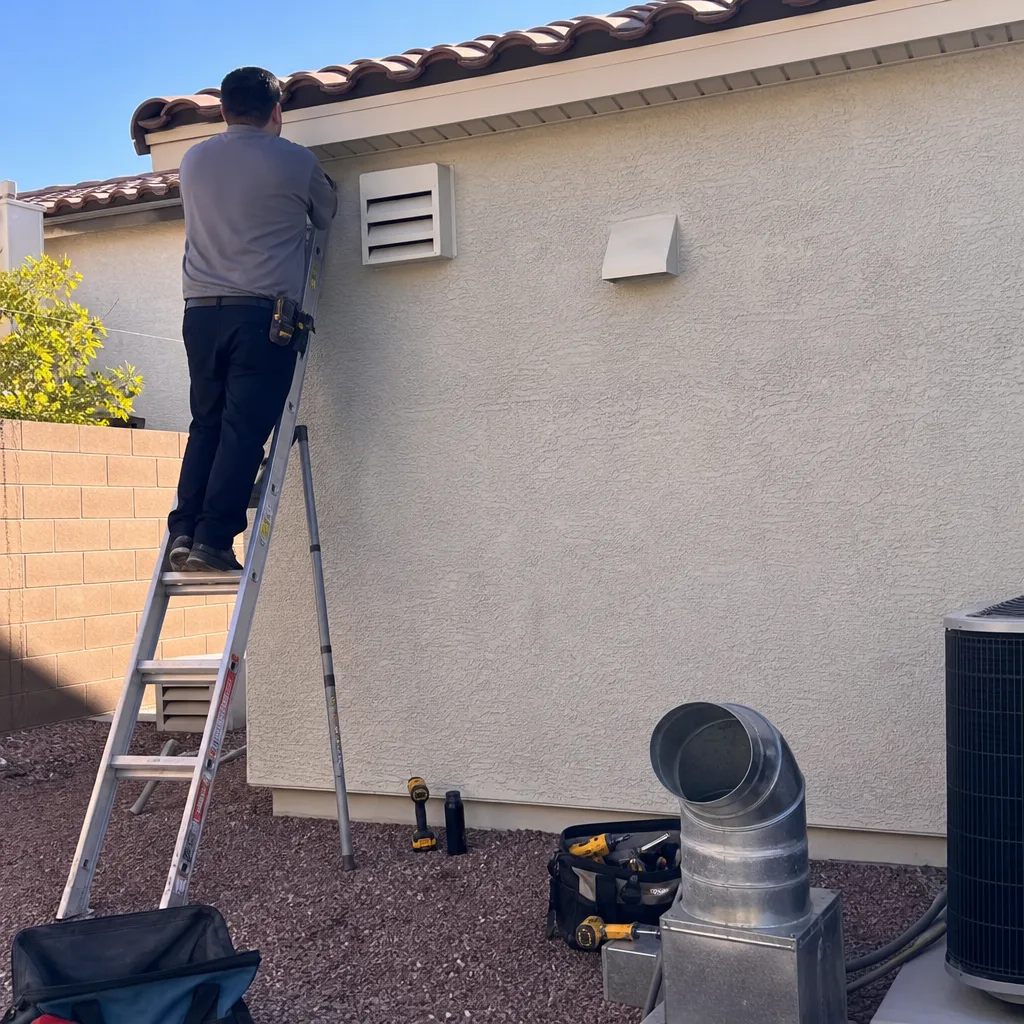
Air duct cleaning addresses the HVAC system’s supply and return ductwork, the trunk line, and the plenum. Dryer vent cleaning addresses the exhaust duct that carries lint and hot air from your clothes dryer to the outside. They’re separate systems and separate services, though both matter for home safety and efficiency. Kestrel offers dryer vent cleaning in Las Vegas as a standalone service, and it’s frequently bundled with duct cleaning.
The Bottom Line
Las Vegas duct care is a timing problem more than a frequency problem. Clean in late March, before the AC season begins, and you’ll get six months of clean air for the same price as a January cleaning that gets you two months. Replace filters after every major dust event, not on a calendar schedule. Understand the difference between spring haboob sand and fall wind-season silt, and inspect accordingly. And when you’re ready to book, get the written price before any work begins. The Kestrel Air Duct Las Vegas team has served the Valley since 2004 under the Kingswell Guarantee, and we put that commitment in writing on every single job. Call (725) 210-0612 for a free estimate.
Written by Dale Whitmore, Owner at Kestrel Air Duct Las Vegas, serving Las Vegas since 2004.
See the difference
 Before
 After
After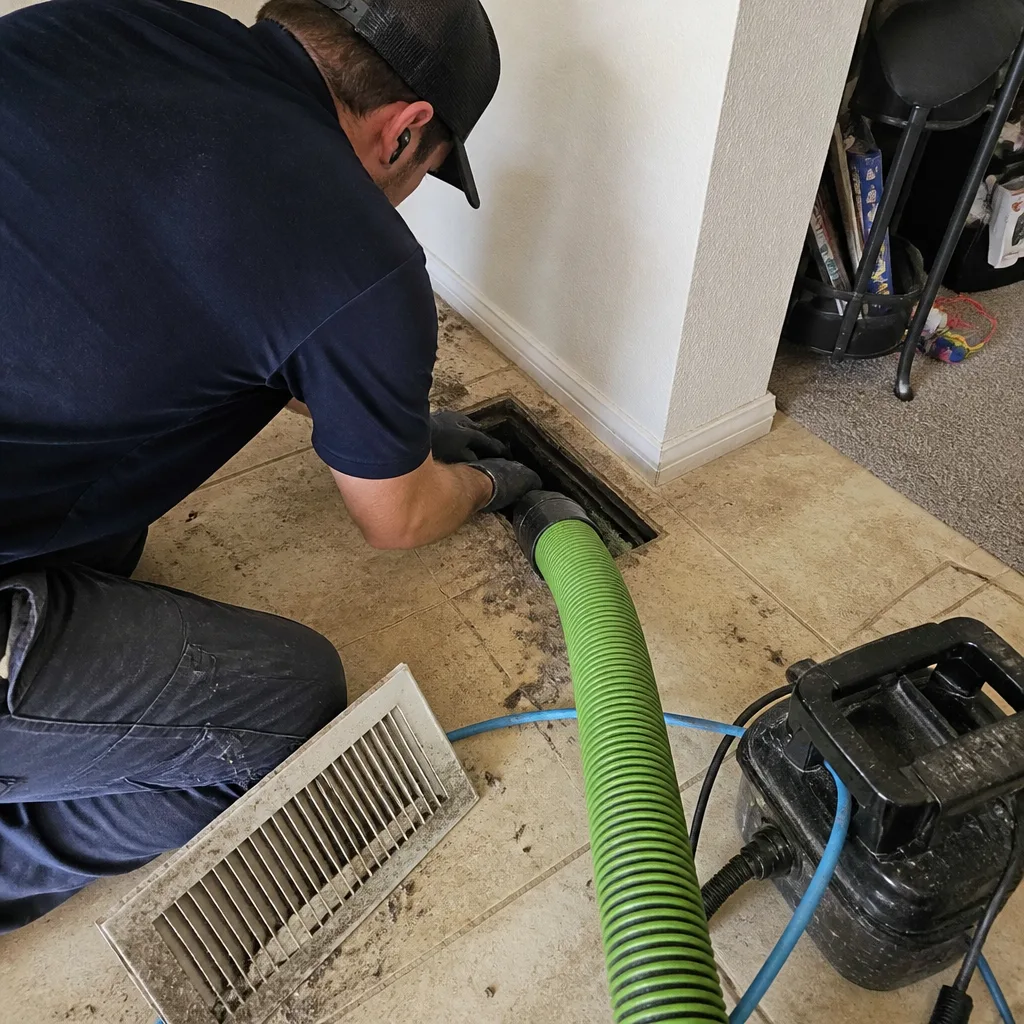 Before
 After
After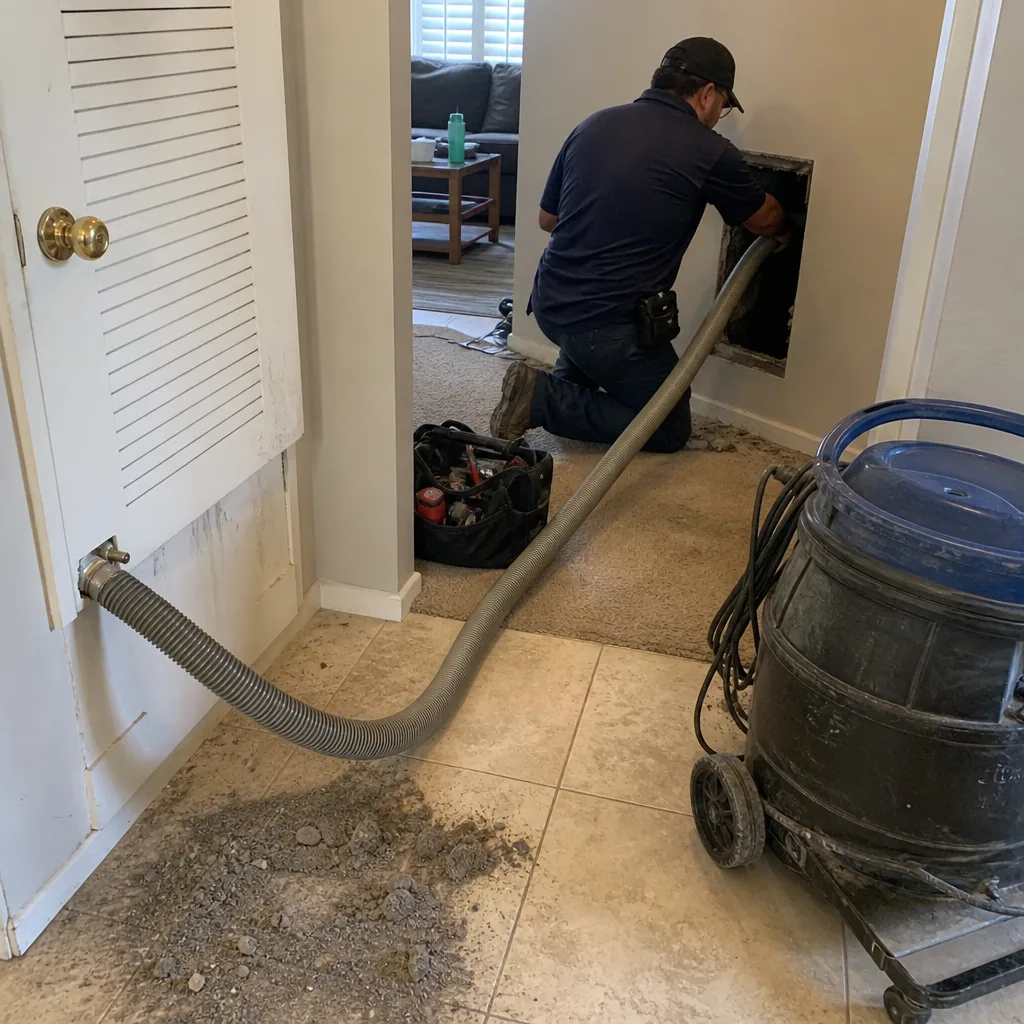 Before
 After
After