
Last updated October 15, 2026
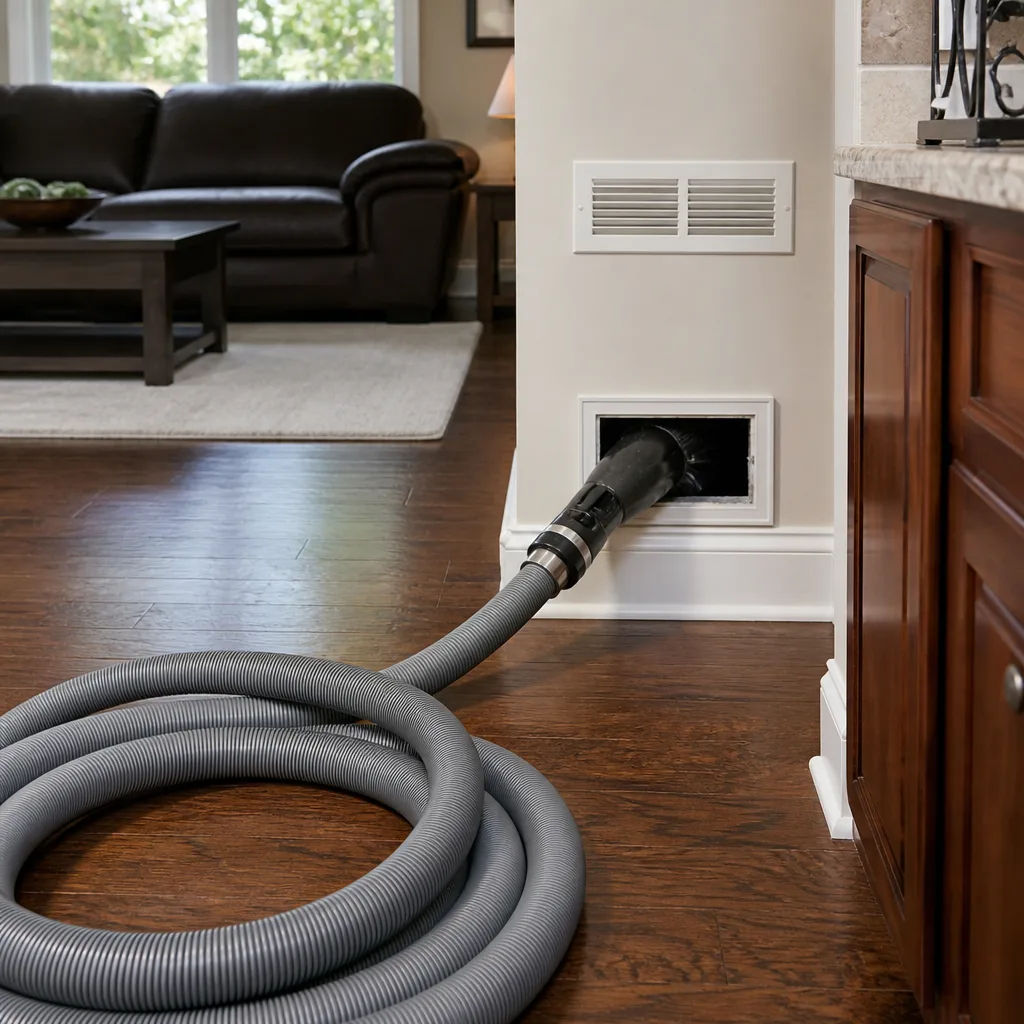 Whole-home duct cleaning
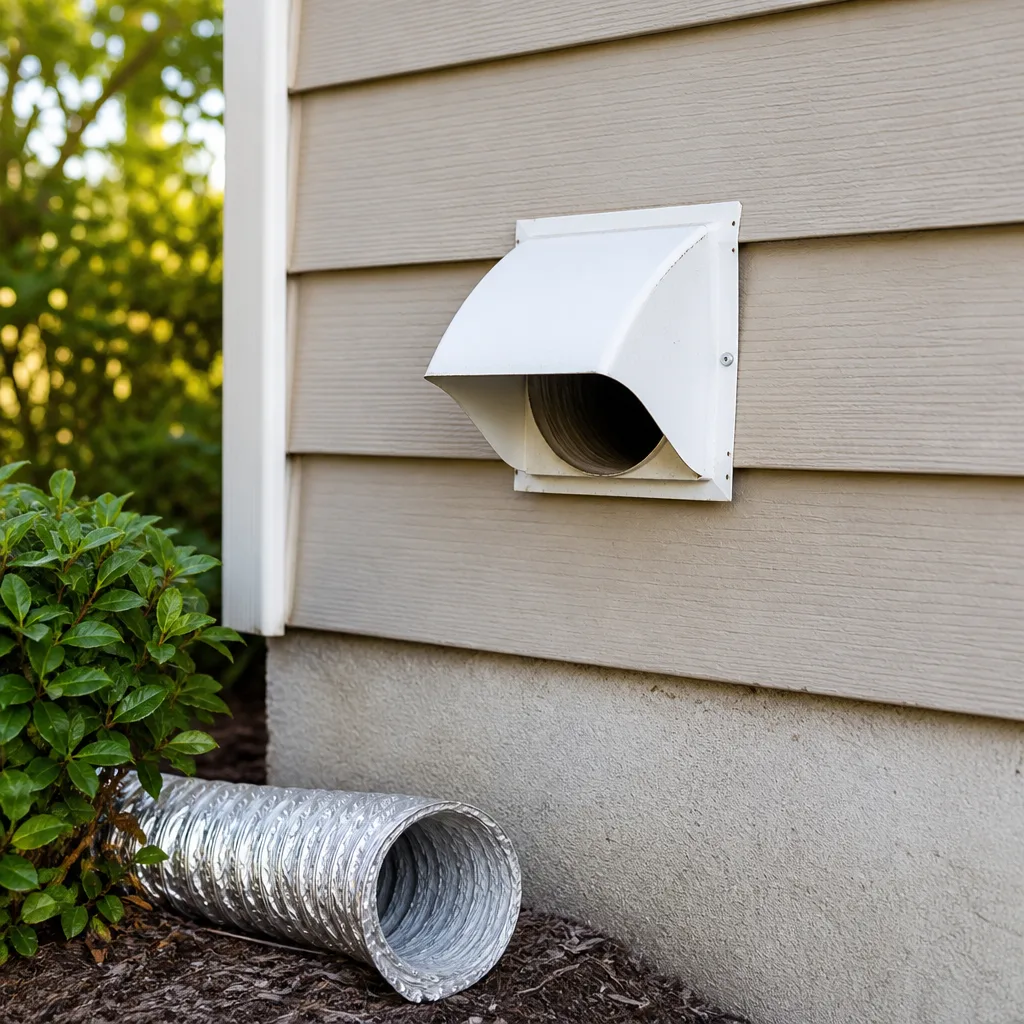 Dryer vent cleaning
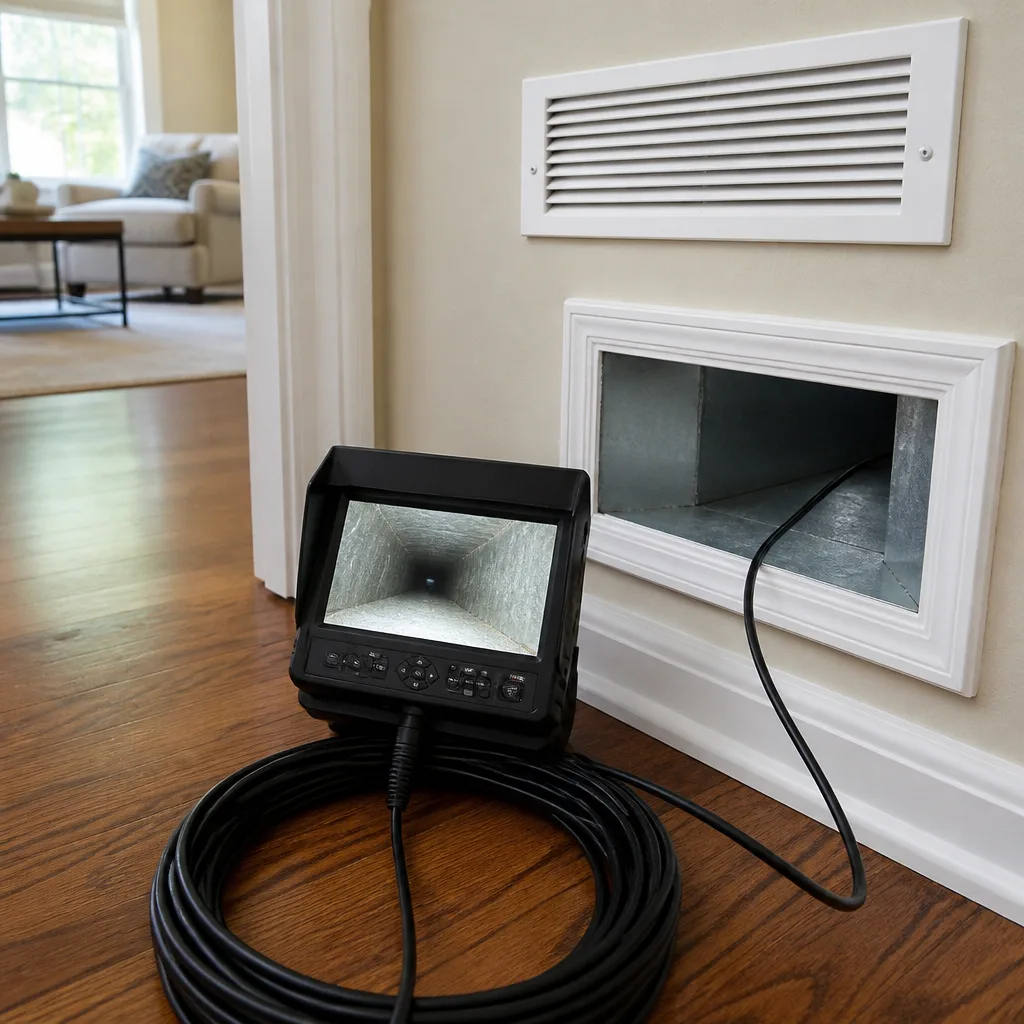 Camera inspection
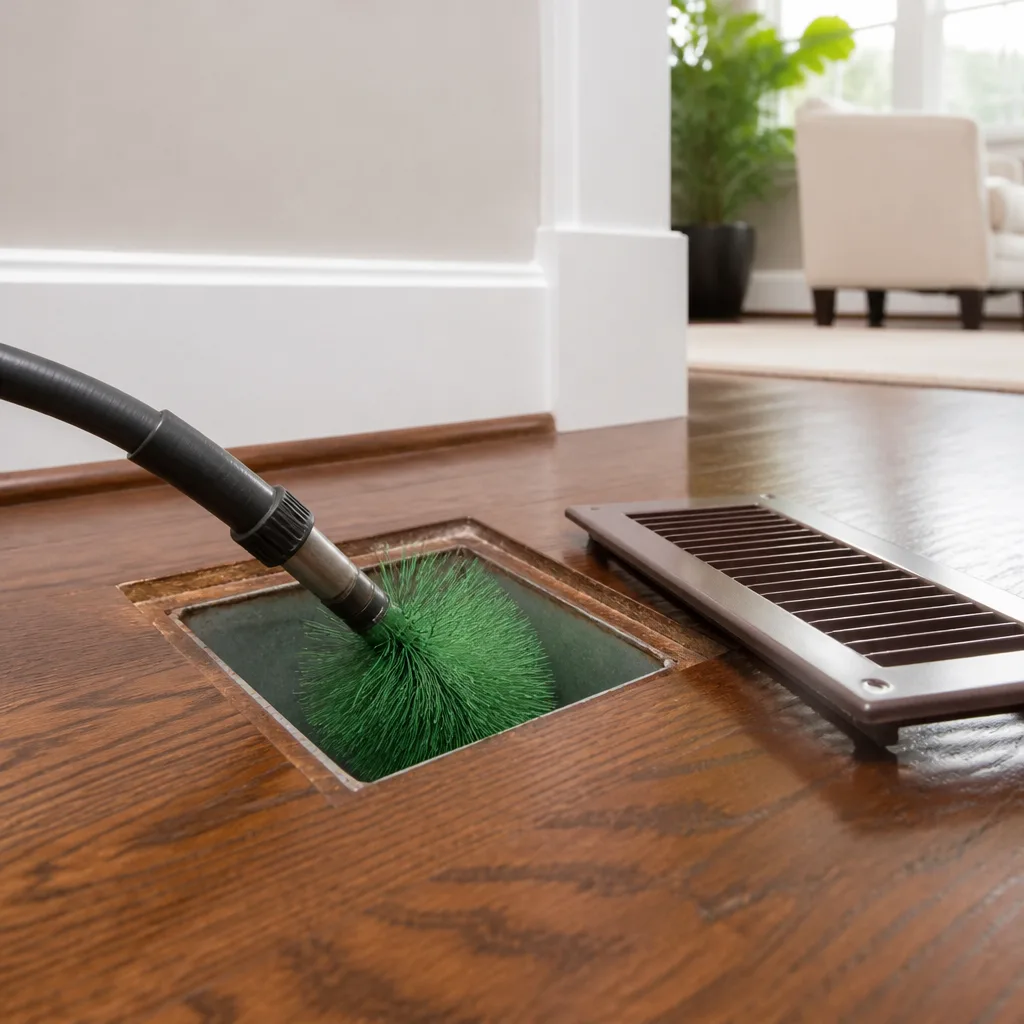 Sanitizing & deodorizing
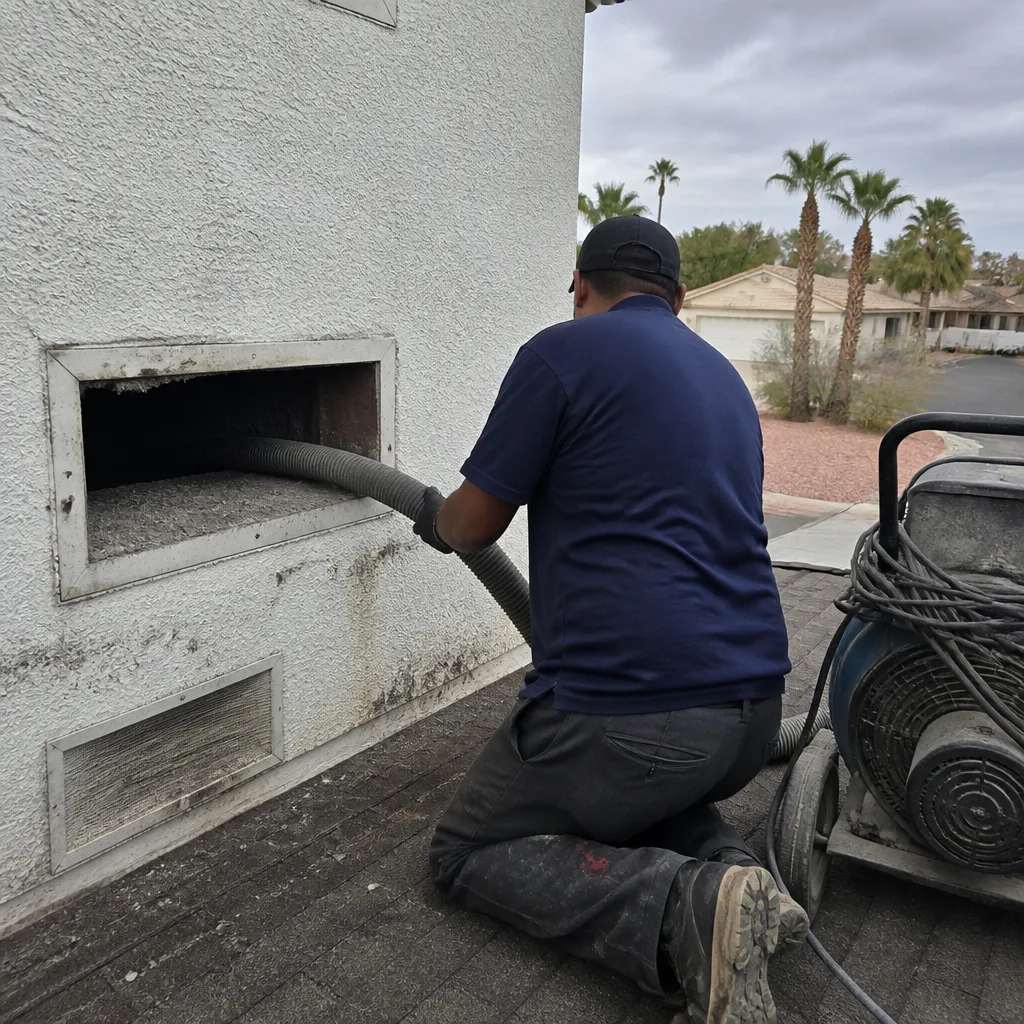
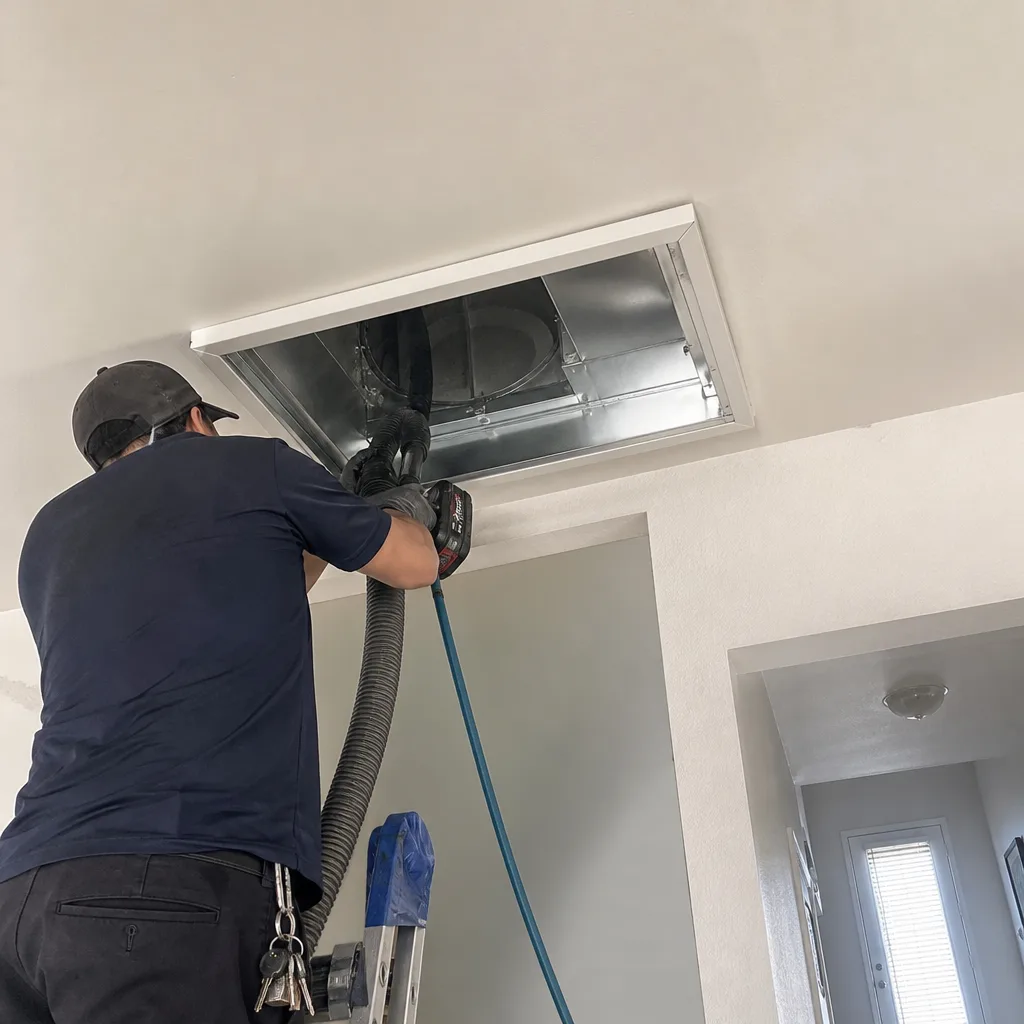
Whole-system duct and dryer vent check with before-and-after photos - you see exactly what came out of your vents
That "$99 whole-house special" is a bait ad - the real number appears once they are in your hallway, or the "clean" is a shop-vac at the register. We photograph the inside of your ducts before and after instead.
Air Duct Cleaning Maintenance Checklist for Las Vegas Homeowners
Changing your filter every 90 days is standard advice, but during Las Vegas’s peak dust months of March through May, that same filter can load to capacity in under 30 days. When that happens, your blower works harder, your cooling bill climbs, and debris gets pushed deeper into the duct trunk where it keeps recirculating long after the dust outside settles. This guide is built around Las Vegas’s real two-season calendar: a brutal cooling season that runs April through October, and a short, dusty shoulder period that resets everything before the cycle starts again. You’ll learn exactly what to check, when to check it, and when the right move is to bring in a professional for Air Duct Cleaning rather than reach for a screwdriver.
Quick Answer
Air duct maintenance in Las Vegas comes down to two seasonal checkpoints: a pre-cooling season inspection every April before the AC carries the full load, and a post-season shutdown check every November after temperatures finally drop. During peak summer and the dusty spring months, replace 1-inch filters every 30 days and visually inspect supply registers for dust streaking or discoloration. Most Las Vegas homes need professional air duct cleaning every 3 to 5 years, though homes near the 215 or I-15 construction corridors, homes with pets, and homes that have recently undergone renovation often need it sooner.
Styles & brands we work with
Table of Contents
- Pre-Cooling Season Checklist: April
- Peak Summer Maintenance: June Through September
- Post-Season Shutdown: November
- How to Inspect Your Supply and Return Registers Yourself
- Choosing the Right MERV Rating for Las Vegas Air
- When Renovations Trigger an Unscheduled Cleaning
- What to Document Before and After a Professional Cleaning
- Common Mistakes to Avoid
- When to Call a Professional
- Frequently Asked Questions
Pre-Cooling Season Checklist: April
April is the single most important month for HVAC maintenance in Las Vegas. The system has been idle or lightly used through the mild winter, and the dust storms of March and early April have already deposited a fresh layer of fine particulate on and inside your equipment. By the time May arrives and the AC starts running daily, any debris sitting in the ductwork gets conditioned, recirculated, and baked onto coil surfaces.
Here is the pre-cooling season checklist we recommend every Las Vegas homeowner work through in early April:
- Replace the air filter. Install a fresh filter before the AC starts cycling daily. If you use 1-inch fiberglass filters, mark your calendar for a 30-day replacement through September.
- Inspect every supply register in the home. Remove the register cover and look inside with a flashlight. Dust accumulation is expected; dark streaking or moisture stains are not. We’ll cover what those patterns mean in the inspection section below.
- Check the return grille. The return pulls air from your living space back into the system. If it’s caked with dust on the exterior, that tells you the filter has been doing more work than it should.
- Listen to the system on startup. Turn the cooling on before the heat arrives and listen for any rattling, whistling, or thumping from the vents. Odd sounds often mean debris has settled in the trunk lines during the idle months.
- Walk the outdoor condenser unit. Clear leaves, tumbleweeds, and any construction dust accumulation from around the unit. Restricted airflow at the condenser forces the whole system to work harder, which pulls more air through the ducts and disturbs settled debris.
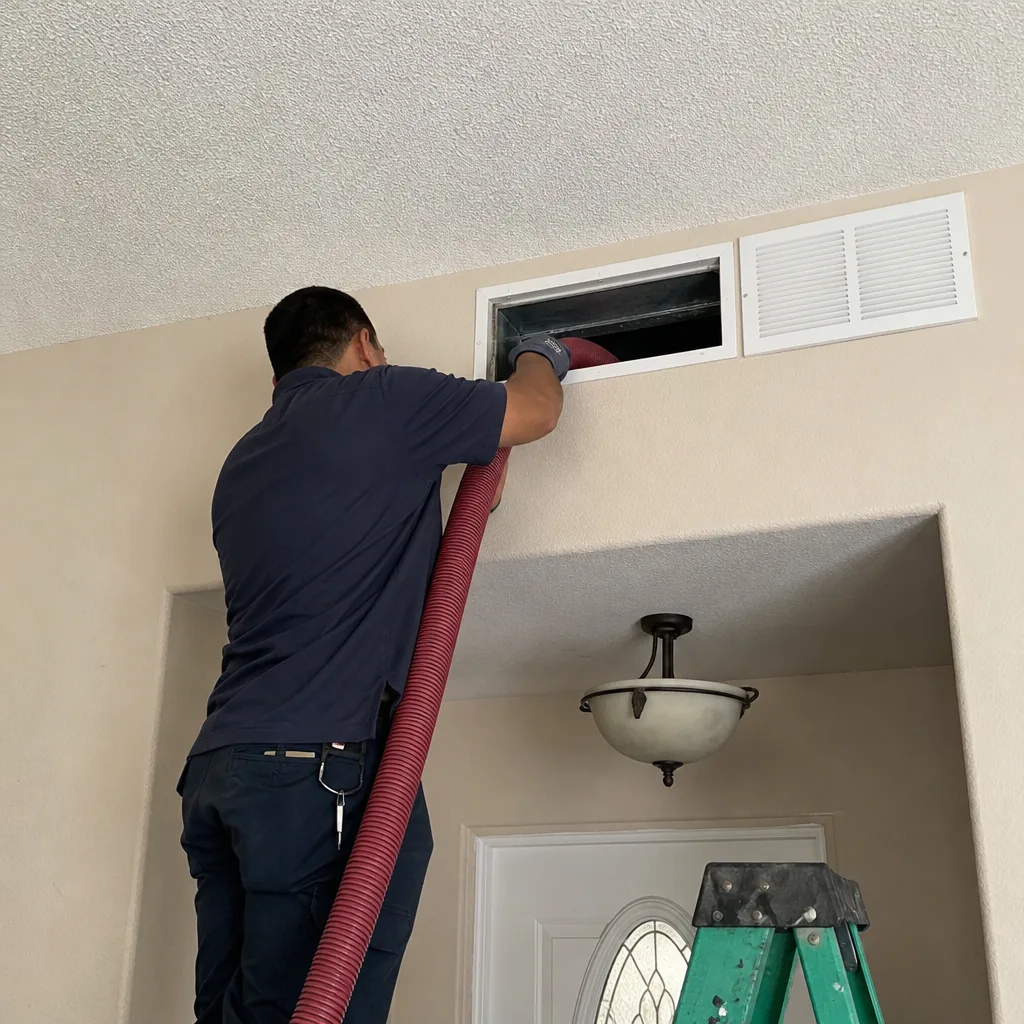
- Schedule a professional air duct cleaning if it has been three or more years. The air duct cleaning in Las Vegas we perform uses negative-air extraction, meaning a powerful vacuum creates suction at the duct system while rotary brush agitation loosens debris at the duct wall. That combination removes what a filter alone can never touch.
In our experience, homeowners who handle this April checklist are far less likely to call in August with a blower motor failure or a musty smell that suddenly appeared mid-summer. The April work is prevention; the August work is repair.
Peak Summer Maintenance: June Through September
Las Vegas summers are not just hot; they are relentless. Your AC runs for hours every day, often cycling 20 or more times in a single afternoon. That constant operation means the system is pulling air, and whatever is suspended in that air, through the ductwork continuously. Peak summer is when filter negligence shows up as real problems.
During June through September, follow this maintenance cadence:
- Check the filter every 30 days without exception. Homes in Summerlin, Henderson, and the northwest have different dust profiles than homes near the construction-heavy southwest corridor, but the 30-day rule holds everywhere in Las Vegas. If the filter looks dark and loaded at the 30-day mark, that’s your signal to replace it, not to stretch it another month.
- Inspect supply registers every 60 days. A quick visual check takes two minutes per room. If you notice dust streaking on the wall or ceiling near a register, that indicates particles are bypassing the filter or blowing past the register seal.
- Keep interior doors open when possible. Closed doors create pressure imbalances in individual rooms, which pulls unfiltered air from wall cavities and attic spaces into the return path. This is a common cause of dust accumulation in bedrooms that never seems to stop no matter how often you wipe surfaces.
- Watch your cooling bill for sudden spikes. A 15 to 20 percent jump in July energy use with no corresponding change in thermostat settings often means the blower is working against a loaded filter or restricted coils. That restriction means more debris passing through the system, compounding the problem.
- Note any musty or stale smell when the AC first kicks on. In Las Vegas humidity is low, so biological growth is less common than in humid climates. But dust that has accumulated on a cooling coil can produce a stale, damp smell during the first moments of operation. If you smell it, don’t mask it with spray products; have the ductwork evaluated.
Professional-grade equipment matters here. When we clean ducts in Las Vegas, we use Nikro negative-pressure units that create vacuum on the entire duct system while Rotobrush rotary brush systems agitate the duct walls. The combination removes material that a box-store shop vac simply cannot reach, and Abatement Technologies HEPA filtration keeps loosened particles from re-entering the living space during the work.
Post-Season Shutdown: November
By November, Las Vegas temperatures have dropped enough that the AC finally rests. But that rest period is exactly when settled debris does its quiet damage. Dry dust and particulate that collected during the cooling season sits in the ductwork, waiting to be stirred up by the furnace if you run heat during the brief winter months, or by the AC again next spring.
The November post-season checklist is short but important:
- Run the system one final time before winter. Turn on the fan only (not cooling, not heat) for 10 minutes and walk the house. Note any smells, sounds, or dust movement from registers.
- Replace the filter one last time. Your system deserves a clean filter before it sits idle for several months. This also protects the blower motor from starting against a loaded filter in April.
- Vacuum all register covers and the return grille. Remove them and wash with mild soap and water. Let them dry completely before reinstalling.
- Photograph visible interior duct surfaces through the register openings. Use your phone’s flash. These photos become your condition baseline for comparison next April. If you had professional cleaning done during the year, these photos document what the post-cleaning condition looks like.
- Schedule your professional cleaning during this slower season if it’s due. Duct cleaning companies in Las Vegas are less busy in November and December, which means more scheduling flexibility. The work also has time to settle before next year’s cooling load begins.
For homes that have never had their ducts cleaned, November is often the best time to start. Kestrel Air Duct Las Vegas home offers free estimates, and a November cleaning means you walk into next summer with clean ductwork already in place.
How to Inspect Your Supply and Return Registers Yourself
You don’t need special tools to see the early warning signs of duct problems. You need a flashlight, your phone camera, and about five minutes per room. Here is what to look for and what each pattern means.
- Remove the register cover. Most covers pop off with gentle pressure or have visible screws. Set the cover aside and shine your flashlight into the duct opening.
- Look at the interior duct surface. Plain dust accumulation looks powdery, light gray to tan, and wipes away easily. It sits on surfaces like floor dust. This is normal in any duct system and indicates the cleaning interval is approaching, not overdue.
- Look for dark streaking or staining. Dark lines, especially near the edges of the duct or on the register cover itself, indicate particles are being pulled through gaps or bypassing the filter. In Las Vegas, this pattern is common near construction zones where fine dust stays airborne longer.
- Look for moisture marks or discoloration with a texture change. Water staining creates rings or tide marks that look different from dust. Biological growth appears as dark spotting, often with a musty odor when the system runs. If you see either, don’t attempt to scrub it yourself; call a professional to assess the source of the moisture first.
- Check the wall or ceiling around the register. Dust streaking radiating from the register indicates air leakage around the register boot, meaning unfiltered attic or wall-cavity air is being pulled into the living space. This is a sealing issue, not just a cleaning issue.
- Repeat at the return grille. The return grille shows you what your filter has been capturing. If it’s heavily loaded, the filter is doing its job but needs replacement more frequently. If the interior walls behind the filter are dusty, some air has been bypassing the filter entirely, which means the filter doesn’t fit properly or the filter slot isn’t sealed.
We’ve taught this inspection process to hundreds of Las Vegas homeowners. It’s not about replacing professional assessment; it’s about giving you enough information to know when professional assessment is actually needed.
Choosing the Right MERV Rating for Las Vegas Air
MERV stands for Minimum Efficiency Reporting Value. It’s a scale from 1 to 20 that measures how effectively a filter captures particles. A higher MERV rating captures smaller particles, but it also restricts airflow more. In Las Vegas, the right choice depends on where you live and what’s in your air.
For most Las Vegas homes, we recommend a MERV rating between 8 and 11. Here is how to think about it:
- MERV 8: Captures dust, pollen, and larger particulates. Good for homes in established neighborhoods with mature landscaping and limited nearby construction. Allows maximum airflow.
- MERV 11: Captures finer particles including some mold spores and pet dander. Good for homes with pets, homes near the 215 or I-15 construction corridors where fine particulate is elevated, and homes with allergy-sensitive occupants.
- MERV 13: Captures very fine particles including most bacteria and smoke particles. Only appropriate if your system is designed for the increased airflow resistance. Many older Las Vegas homes with original ductwork cannot handle MERV 13 without reducing airflow enough to strain the blower.
The filter’s real job is to protect the equipment, not to clean your air. If you want air cleaning, the right approach is a dedicated filtration product. We recommend Honeywell and Aprilaire filtration products for homeowners who want to maintain clean air between professional service visits. These are installed systems designed to handle the filtration load without starving the blower.
Whatever MERV rating you choose, the replacement interval matters more than the rating itself. A loaded MERV 8 provides zero benefit and restricts more airflow than a fresh MERV 11. In Las Vegas dust conditions, we tell every customer the same truth: the best filter in the world fails if it stays in place too long.
When Renovations Trigger an Unscheduled Cleaning
Most maintenance calendars are based on time. But Las Vegas homeowners who renovate find out quickly that construction debris doesn’t wait for the next scheduled cleaning. Any work that produces dust inside the home should trigger an immediate, unscheduled professional duct cleaning, regardless of what the calendar says-just be sure you understand Air Duct Cleaning Permits, Codes & Inspections in NV: What You Need to Know.
Here are the renovation triggers we tell Las Vegas homeowners to watch for:
- Drywall work or patching of any scale. Drywall dust is finer than common household dust and stays airborne for weeks. It infiltrates ducts through returns and settles throughout the system, then gets redistributed for months after the renovation ends.
- Grout, tile, or stone work. Cutting tile and grinding grout produces silica-heavy dust that is abrasive to blower components and settles deep in trunk lines.
- Floor sanding or refinishing. Wood dust is combustible and builds up in layers. Even if the work was contained, the fine fraction travels.
- Attic work that disturbs insulation. Blown-in insulation fibers can be pulled into return leaks and distribute throughout the duct system.
- Whole-home or large-room painting with spraying. Overspray particles can coat duct interiors and create a sticky surface that captures dust faster than usual.
- Photograph the interior of every supply register. Use your phone flash and get as close as the opening allows. These photos capture the pre-cleaning condition.
- Photograph the return grille and the filter slot. Note the filter brand and MERV rating in a written note.
- Photograph the area around each register on the wall or ceiling. Any existing streaking or staining should be on record before the work begins.
- Write down the date, the service provider, and the scope of work quoted. If the quote includes specific duct runs or specific areas, note them.
- Replacing the filter every 90 days because that’s the standard national advice. Las Vegas dust conditions are not standard. During March through May, a filter can load to capacity in under 30 days. The national 90-day rule is for climates that don’t have our particulate load.
- Using the cheapest 1-inch fiberglass filter to save money. Fiberglass filters capture very little beyond large debris. They allow fine dust to pass through and accumulate in the ductwork. A MERV 8 pleated filter costs more but protects the system far better.
- Closing registers in unused rooms to save energy. This creates pressure imbalances that pull unfiltered air through wall cavities and can actually increase dust in the occupied rooms. Your system was designed for balanced airflow.
- Ignoring the return grille while cleaning supply registers. The return is where air enters the system. If it’s caked, the whole system is pulling through a dirty filter whether or not the filter itself is clean.
- Treating duct cleaning as a one-time event. Ducts re-accumulate dust because air constantly moves through them. A professional cleaning every 3 to 5 years, combined with the seasonal checklist work, is the realistic maintenance plan for Las Vegas homeowners.
- Waiting until you smell something to investigate. Smell is a late-stage signal. By the time you notice a musty or stale odor, material has been accumulating long enough to affect the system. Visual inspection catches problems earlier and cheaper.
The practical rule is simple: if you had to cover furniture with plastic, schedule a duct cleaning after the work is done. Waiting until next April means living through an entire winter and spring with renovation debris recirculating through the home. In our experience, renovation dust is the single most common reason Las Vegas homeowners call for duct cleaning outside the normal cycle.
What to Document Before and After a Professional Cleaning
A condition baseline does two things for you. It tells you what the system looked like before professional work, so you can verify the work was actually done. And it gives you a reference point for next year’s inspection, so you can see whether dust is accumulating faster than it should.
Before any professional cleaning, document these items:
After the cleaning, repeat the same photographs from the same angles. Now you have a true comparison. Run the system fan for 15 minutes after the cleaning and check one or two registers again. You should see clean duct surfaces, and you should not see clouds of dust blowing into the room.
The written price should be in your hands before work starts. If you’re working with dryer vent cleaning in Las Vegas as part of an air duct service, the same documentation standard applies. The guarantee should be written, not verbal. If a company won’t document the condition before and after, that’s a signal worth paying attention to.
Common Mistakes to Avoid
When to Call a Professional
Some things on this checklist are DIY; some are not. Call a professional if you see dark streaking that reappears quickly after cleaning the registers, if you see moisture or water staining inside any duct, if you smell a persistent musty odor when the system runs, if you have just completed renovation work of any significance, or if it has been three or more years since the last professional cleaning. A professional cleaning involves equipment and technique that household tools cannot match. We use Nikro negative-pressure units to pull contaminants out of the system while it’s under vacuum, Rotobrush rotary agitation to dislodge what’s stuck to the duct walls, and Abatement Technologies HEPA filtration to keep the living space clean during the process. Dale Whitmore and the team at Kestrel Air Duct Las Vegas offer free estimates in Las Vegas. Call (725) 210-0612 and we’ll give you a written price before any work begins.
Frequently Asked Questions
Most Las Vegas homes need air duct cleaning every 3 to 5 years. Homes near the 215 or I-15 construction corridors, homes with multiple pets, and homes that have undergone renovation should plan for cleaning every 2 to 3 years. The shorter interval is driven by Las Vegas’s fine particulate load, not by any failure in the system. See our more guides & resources for additional maintenance tips. Call (725) 210-0612 for an assessment of your specific home.
Air duct cleaning in Las Vegas typically runs between $350 and $700 for a standard single-family home, depending on the number of systems, the number of vents, and the level of contamination. What matters as much as the price is what’s included: a written price before work begins, professional-grade equipment, and a written guarantee on the work. Kestrel Air Duct Las Vegas provides all three on every job.
Air duct cleaning is legitimate maintenance when performed with professional equipment by trained technicians. What gives the industry a bad reputation is bait-and-switch pricing and low-quality work. A reputable company provides a written price before work starts, documents before and after conditions, and backs the work with a written guarantee like Kestrel’s 365-Day Done Right Promise.
Photograph the duct interiors through the register openings before and after the cleaning. Compare the images. A legitimate cleaning produces visibly clean duct surfaces. Kestrel Air Duct Las Vegas documents conditions before and after every job, and our 365-Day Done Right Promise means we return and make it right if the work falls short within the guarantee period.
Yes. Accumulated debris on duct surfaces restricts airflow and forces the blower to work harder to move the same volume of air. That means more energy use for the same cooling output. Restricted airflow also causes the coil to run colder than designed, which reduces efficiency. A clean duct system delivers the airflow your AC was designed for.
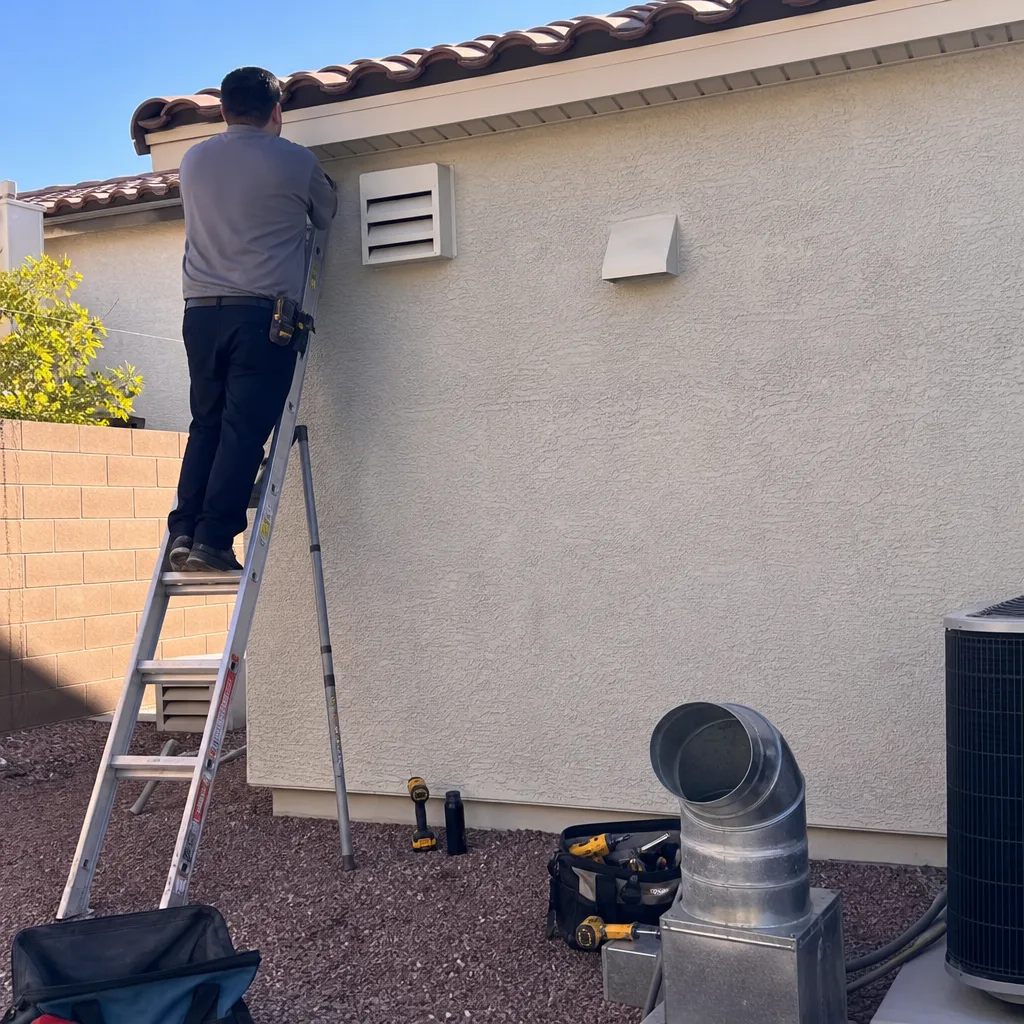
Air duct cleaning addresses the HVAC system: the supply and return ducts that move conditioned air through your home. Dryer vent cleaning addresses the dedicated exhaust line that carries hot, lint-laden air from your dryer to the outside. They are separate systems with separate maintenance needs. Dryer vent cleaning in Las Vegas should be performed annually due to the fire risk from lint accumulation, while air duct cleaning follows the 3 to 5 year cycle described above. Call (725) 210-0612 to schedule either service with a written price before work begins.
The Bottom Line
Las Vegas air duct maintenance is not complicated, but it is specific. Replace filters every 30 days during the dusty spring months and peak summer. Run a pre-cooling season inspection every April. Do a post-season shutdown check every November. Watch for renovation dust and clean the ducts immediately after any construction work. Document before and after conditions every time. And when professional cleaning is due, demand a written price before the work starts and a written guarantee on the work itself. That’s the difference between a maintenance checklist that works and one that just makes you feel organized. Air duct cleaning in Las Vegas from Kestrel comes with the 365-Day Done Right Promise in writing on every job. Call (725) 210-0612 for a free estimate.
Written by Dale Whitmore, Owner at Kestrel Air Duct Las Vegas, serving Las Vegas since 2004.
See the difference
 Before
 After
After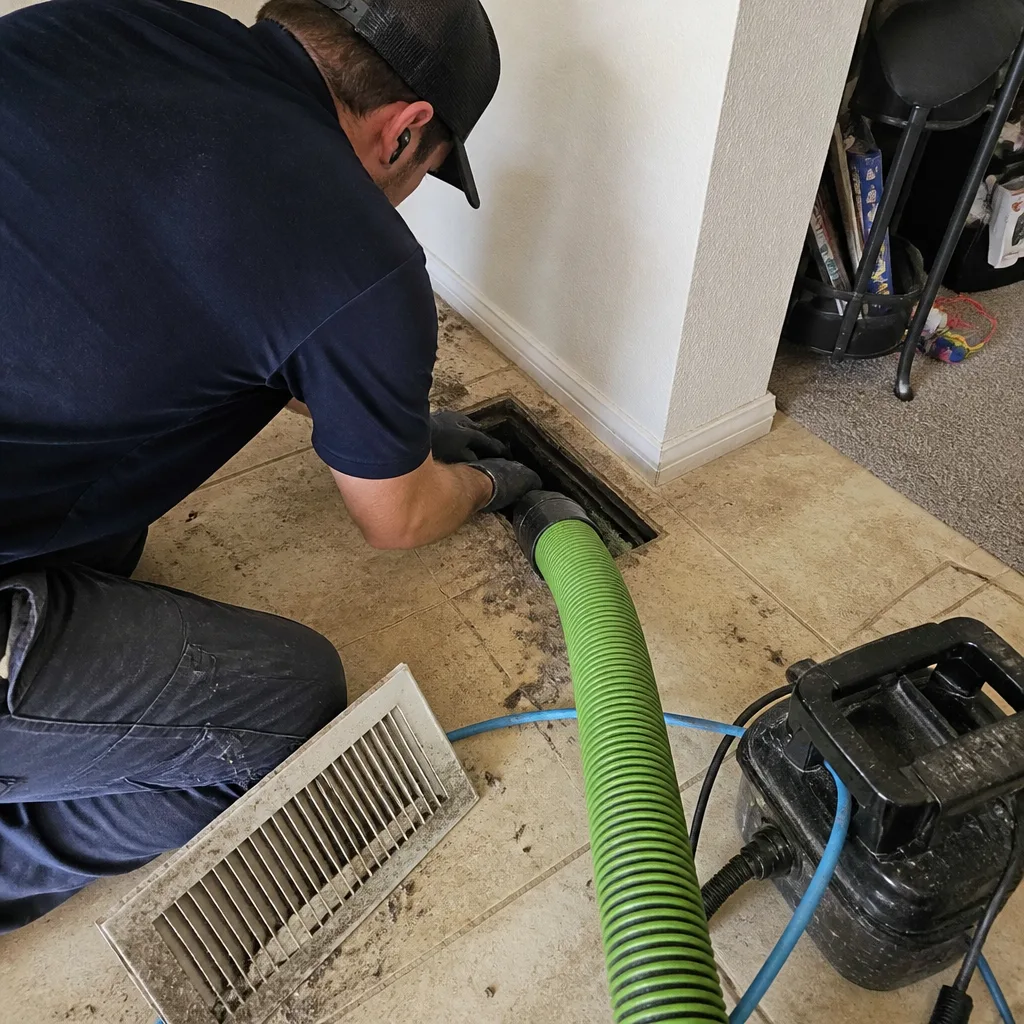 Before
 After
After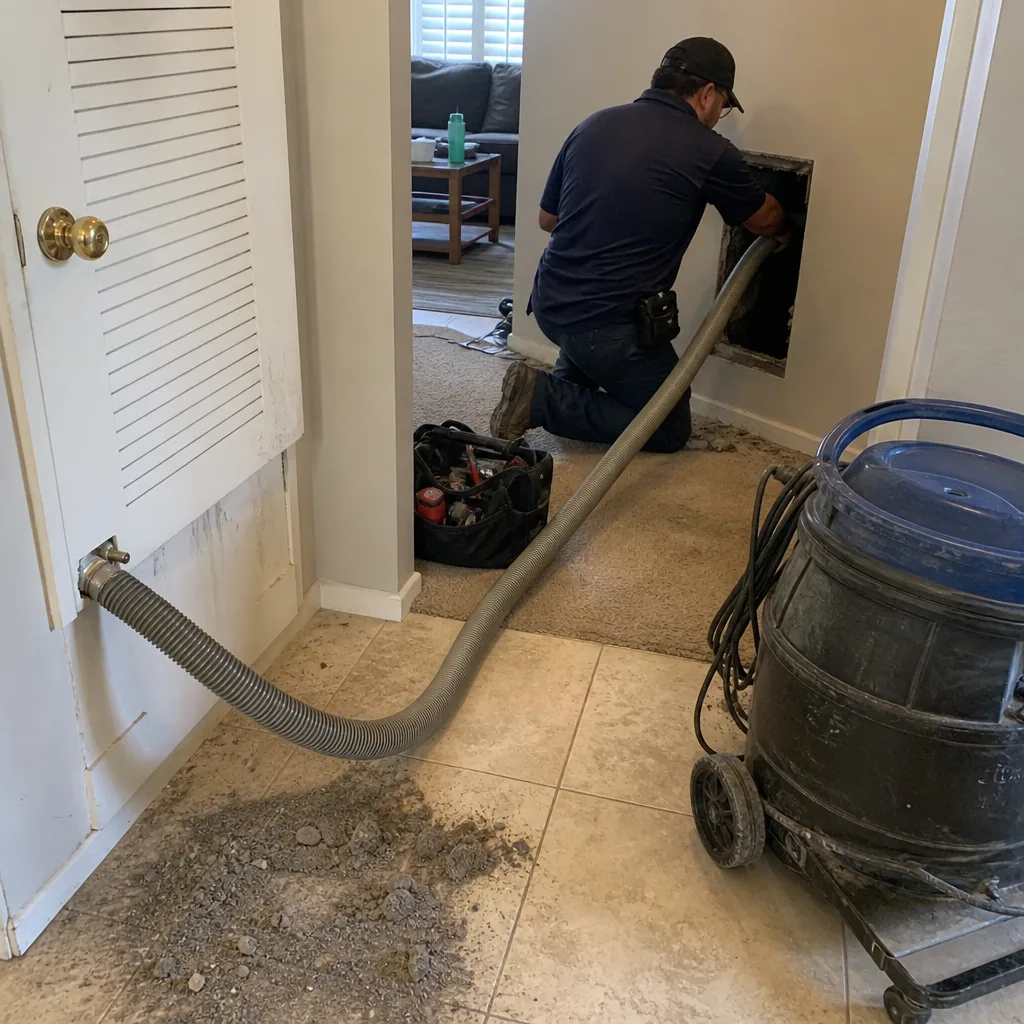 Before
 After
After